
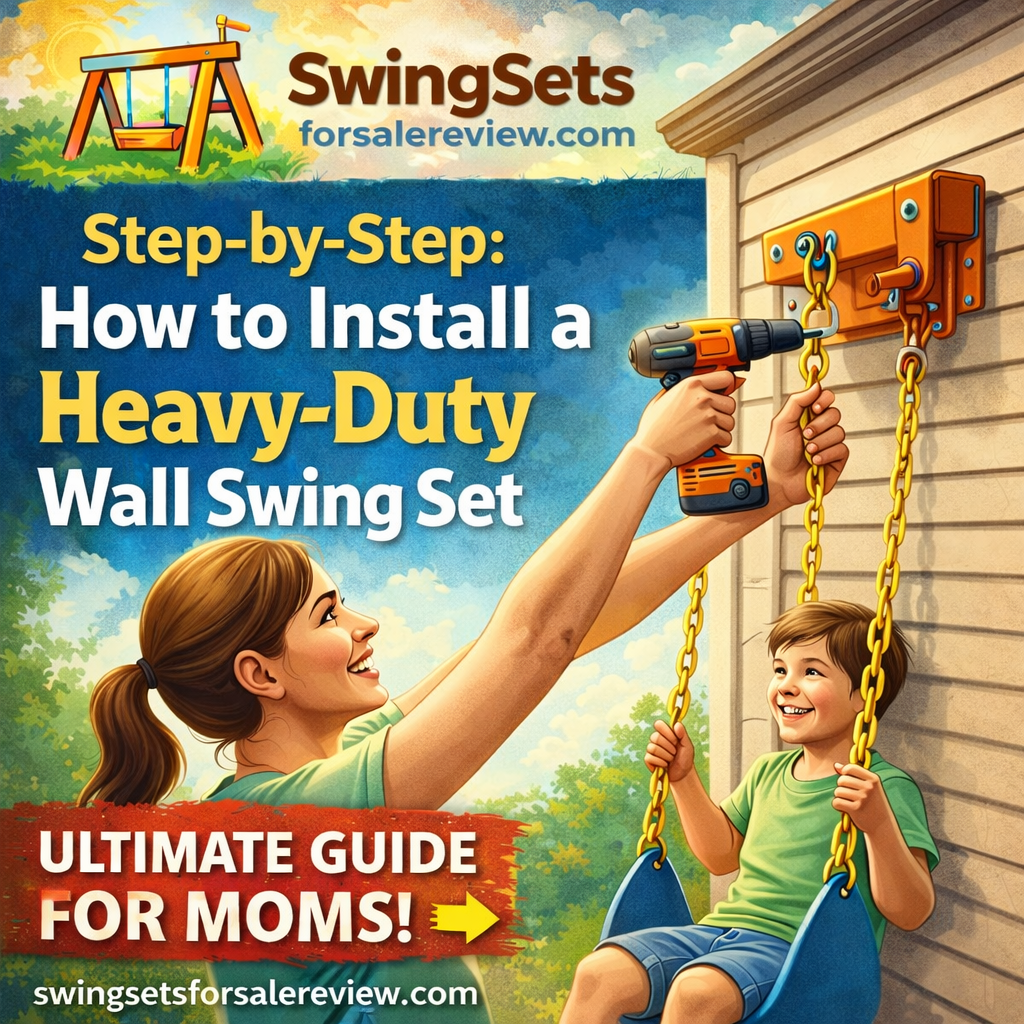
Introduction to Heavy-Duty Wall Swing Sets
Heavy-duty wall swing sets have gained popularity for their combination of sturdiness, safety, and versatility. As outdoor play equipment, they offer more than just a swing; they provide a complete play environment that encourages children to engage in physical activity. The materials typically used in these swing sets include robust metals, such as galvanized steel, and durable woods, which enhance longevity and ensure safety during play. These materials are foundational for supporting the weight and activity of children, making them an excellent choice for any backyard.
The sturdiness of heavy-duty wall swing sets is paramount. Unlike standard swing sets, these models are designed to withstand greater force and usage. This is particularly important for families with multiple children or those who have heavy use in community or public play areas. Many designs incorporate extra reinforcements and secure anchor points to keep the swing set stable during use. Various designs are available on the market, ranging from classic swing configurations to more elaborate setups that include slides, climbing walls, and even monkey bars. This variety allows families to select a design that not only suits their aesthetic preferences but also fits the available space and the age of their children.
Safety considerations cannot be overlooked when selecting a swing set. Ensuring that the set is installed on a flat and soft surface—preferably padded or grass—can mitigate injury risks. Additionally, checking for compliance with safety regulations can provide peace of mind when it comes to the quality of materials and structure. Investing in a heavy-duty wall swing set not only offers enjoyable outdoor activities but also prioritizes children’s safety, making it a wise choice for any household.
Tools and Materials Needed for Installation
When embarking on the installation of a heavy-duty wall swing set, it is essential to gather a comprehensive set of tools and materials to ensure a successful setup. The following is a detailed list of what you will need.
First and foremost, a power drill is necessary for creating pilot holes and securing the wall brackets. A level is crucial for ensuring that the swing set is installed evenly, preventing any tilt or misalignment that could pose safety risks. A stud finder may also be helpful to locate sturdy support beams within the wall, as these are vital for anchoring the swing set appropriately.
In terms of hand tools, wrenches and screwdrivers will be required to tighten bolts and screws that secure the swing set in place. A tape measure is indispensable for accurate measurements, allowing you to determine the appropriate height and spacing for the swings.
Regarding materials, heavy-duty wall brackets are paramount, as they distribute the weight of the swing set and ensure stability. Alongside this, you will need lag screws or bolts, which should be rated for heavy loads, to fasten the brackets securely to the wall. Additionally, wall anchors are recommended for situations where direct installation into a stud is not possible. Various types of anchors, such as toggle bolts, can provide the necessary support when dealing with drywall.
Finally, other supplies such as safety goggles, protective gloves, and a ladder will enhance safety during the installation. While there are substitutes available for some tools, it is crucial to select materials that meet the load specifications required for a heavy-duty swing set to ensure safety and durability in the long run.
Step-by-Step Installation Process

Installing a heavy-duty wall swing set requires careful preparation and execution to ensure safety and functionality. First, begin by selecting an appropriate location on a sturdy wall that can endure the weight and stress of the swing set. Clear the area of any obstacles to provide ample space for installation and usage.
The second step involves measuring and marking the wall. Using a level, determine the height at which you want the swing to hang. This step is crucial to ensure a comfortable and safe swing height, typically between 18 to 30 inches from the ground. Once you’ve established the desired height, use a pencil to mark the locations where the brackets will be installed, ensuring they are symmetrically placed for balanced support.
Next, proceed to secure the necessary brackets. Using a drill and appropriate screws, attach the heavy-duty brackets to the wall at the marked locations. Ensure that the screws penetrate into wall studs for maximum stability. If you are unsure about the stud locations, use a stud finder to confirm their positions.
After the brackets are in place, it’s time to anchor the swing set components. Carefully follow the manufacturer’s instructions to attach the swing beams and swings to the brackets. It’s vital to double-check all connections to ensure they are tight and secure. This may involve using additional hardware such as washers or lock nuts to prevent loosening over time.
As a final troubleshooting tip, routinely inspect the swing set for any signs of wear or instability after installation. If you notice any issues, address them immediately to ensure the safety of all users. With these steps, you should have successfully installed your heavy-duty wall swing set, ready for hours of outdoor enjoyment.
Safety Tips and Maintenance for Long-Lasting Use
Ensuring that your heavy-duty wall swing set remains safe and functional is paramount for the well-being of children who use it. Regular maintenance is essential to prevent wear and tear, contributing to the longevity of your swing set and providing a worry-free environment for play. Begin by establishing a routine inspection schedule. Visually examine the structure weekly for signs of damage, including cracks in the frame, loose hardware, or worn-out swing seats. These components should be securely fastened and intact; replace any damaged parts immediately.
Teaching children safe swing use is equally important. To promote safety, instruct them to avoid pushing each other while swinging, and to always wait for their turn. Additionally, educate kids about staying seated during use and discourage standing or lying down on the swing. Setting these ground rules can significantly reduce the risk of accidents.
Another crucial aspect of maintenance is ensuring the surrounding area is safe for play. Keep the ground under and around the swing set clear of debris, toys, and sharp objects to minimize the chance of injury. Consider adding a protective landing surface, such as mulch or rubber mats, to cushion falls. Keeping the area well-maintained promotes a safe environment for active play.
Furthermore, check the condition of any ropes or chains attached to the swings. These should be free from frays and corrosion. Clean these components regularly to prevent buildup of dirt or grime, which can impact performance. By incorporating these safety tips and maintenance routines, your heavy-duty wall swing set will offer years of enjoyable play while fostering a secure environment for children.