

Let’s be honest we’ve all spent a little too much time staring at blue light lately. While the “Great American Road Trip” is a classic, the way we experience recreational areas is shifting. It’s no longer just about checking a National Park off a bucket list; it’s about finding a space where you can actually hear yourself think.
From the rugged coastlines of the Pacific Northwest to the hidden bayous of the South, America’s recreational landscape is evolving. Here is a fresh perspective on how to navigate it this year.
1. The Rise of “Quiet Parks”
Noise pollution is the new smog. A growing movement in the U.S. is identifying “Quiet Parks”—spaces specifically managed to preserve natural soundscapes. Imagine a hike where the only thing you hear is the wind through the ponderosa pines, not a highway in the distance. These spots are becoming the ultimate luxury for mental health.
2. The “Work-From-Park” Evolution
Thanks to expanded satellite internet and “smart” campgrounds, the boundary between the office and the outdoors has blurred. Many state parks now offer dedicated Wi-Fi zones near visitor centers. You can crush your morning emails under an oak tree and be on the trail by 2:00 PM. It’s the ultimate productivity hack.
3. Micro-Adventures over Mega-Crowds
While everyone fights for a parking spot at Zion or Yellowstone, savvy travelers are hitting State Parks and Bureau of Land Management (BLM) lands. These “Micro-Adventures” offer similar breathtaking views with 90% fewer crowds.
Quick Guide Finding Your Perfect Space
| Activity Type | Best For… | Recommended Vibe |
| National Forests | Primitive Camping | Off-the-grid, rugged, serene |
| State Recreation Areas | Families & Groups | Lakes, BBQ pits, easy trails |
| Urban Greenways | Daily Wellness | Biking, jogging, quick escapes |
Peer Tip: If you’re heading out, download offline maps (like AllTrails or Gaia). Cell service is better than it used to be, but nature still has a way of reminding us who’s boss.
The Rise of the Quiet Escape Trends and Insights
The concept of the “quiet escape” has gained considerable traction in recent years, capturing the interest of travelers seeking refuge from the demands of daily life. The quiet escape refers to visiting serene, uncrowded locations that offer individuals a chance to detach from the hustle and bustle of urban living. This trend is increasingly characterized by a desire for fewer distractions and more rejuvenating environments that promote well-being.
Several contributing factors are at play in driving the popularity of quiet escapes. One major influence is the heightened stress levels associated with urban living. As fast-paced city lifestyles become more prevalent, many individuals report increased anxiety and a longing for peace. This desire has propelled travelers toward destinations that promise tranquility and solace, often in natural settings such as mountains, forests, or lakesides.
Moreover, the growing interest in mental health and wellness has also spurred a shift in vacation preferences. Studies reveal that individuals are prioritizing mental well-being and self-care, which often entails seeking out nature-based experiences. A survey conducted by the American Psychological Association indicates that 70% of respondents feel that interacting with nature positively affects their mental health. This aligns with the quiet escape movement, as more travelers opt for environments that provide restorative benefits, rather than traditional tourist hotspots.
Statistical trends further support this inclination. As reported by various travel associations, bookings for rural and nature-oriented destinations have seen an increase of over 40% compared to the previous year. Such data underscores a clear preference shift toward calm vacations. As people increasingly recognize the value of tranquility, the quiet escape is set to become a prevalent travel choice in 2026 and beyond.
Top Destinations for the Quiet Escape in 2026
As travelers continue to seek refuge from the noise of modern life, several destinations across the United States stand out as ideal spots for a “quiet escape” in 2026. Not only do these locations offer stunning natural beauty and tranquility, but they also provide opportunities for restorative activities that cater to those yearning for peace and solitude.
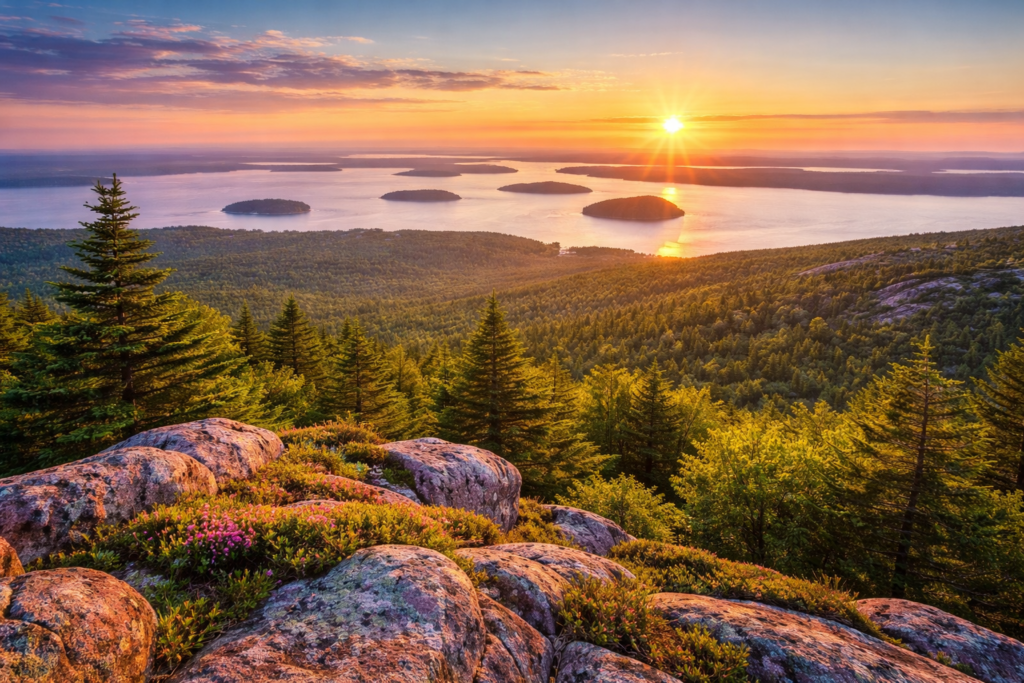
1. Acadia National Park, Maine Nestled along the rugged coast of Maine, Acadia National Park is perfect for those who desire solitude amidst breathtaking landscapes. With over 120 miles of hiking trails, visitors can explore serene vistas, dense forests, and the calming sounds of the Atlantic Ocean. Early mornings offer the chance to witness stunning sunrises atop Cadillac Mountain, providing an ideal start to the day.
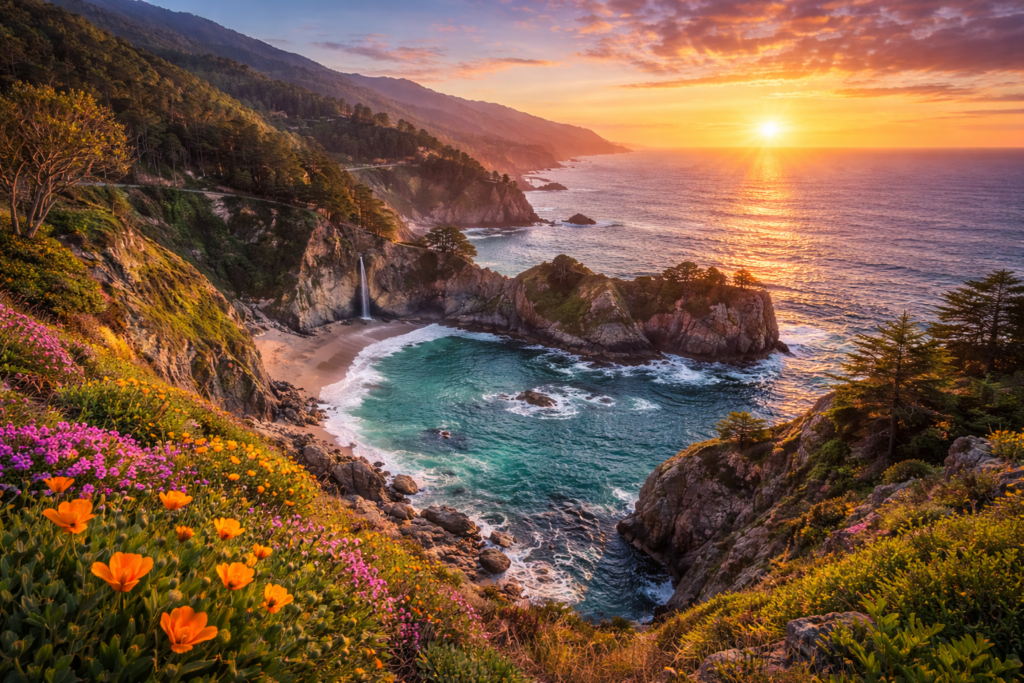
2. Big Sur, California Known for its dramatic cliffs and breathtaking ocean views, Big Sur offers secluded spots for reflection. Travelers can stay in cozy cabins or campsites surrounded by nature, away from crowded tourist hubs. The peacefulness of the Pacific coastline allows visitors to both relax and rejuvenate amidst natural beauty.
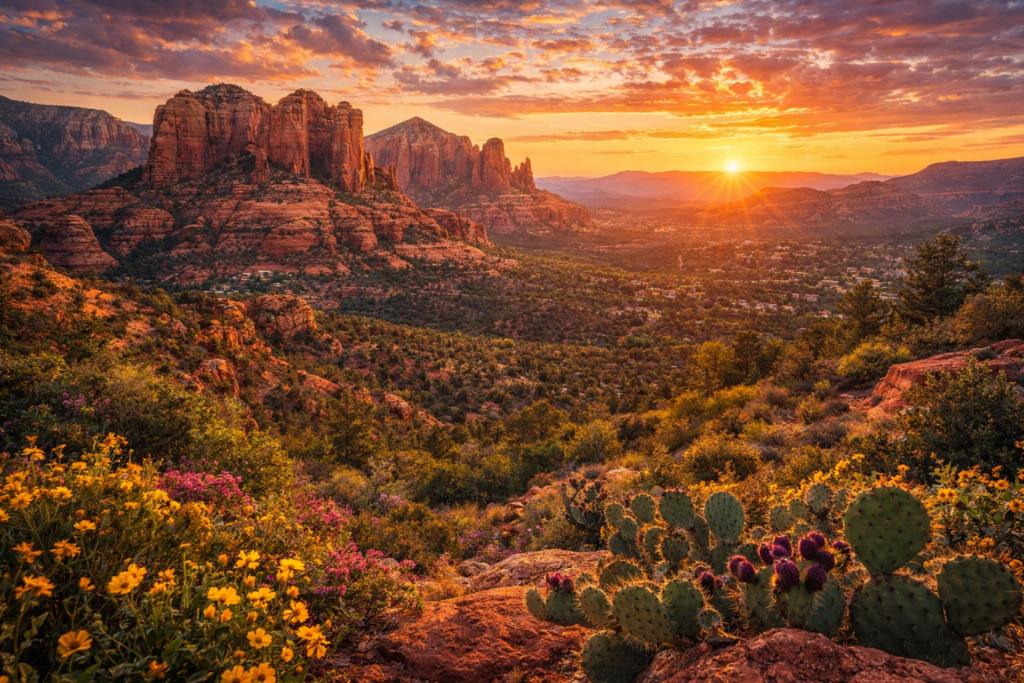
3. Sedona, Arizona Renowned for its vibrant red rock formations and serene energy, Sedona is an excellent destination for a quiet escape. The area promotes wellness through various outdoor activities such as hiking, meditative retreats, and energy vortex tours. Its tranquil atmosphere encourages introspection and reconnection with nature.
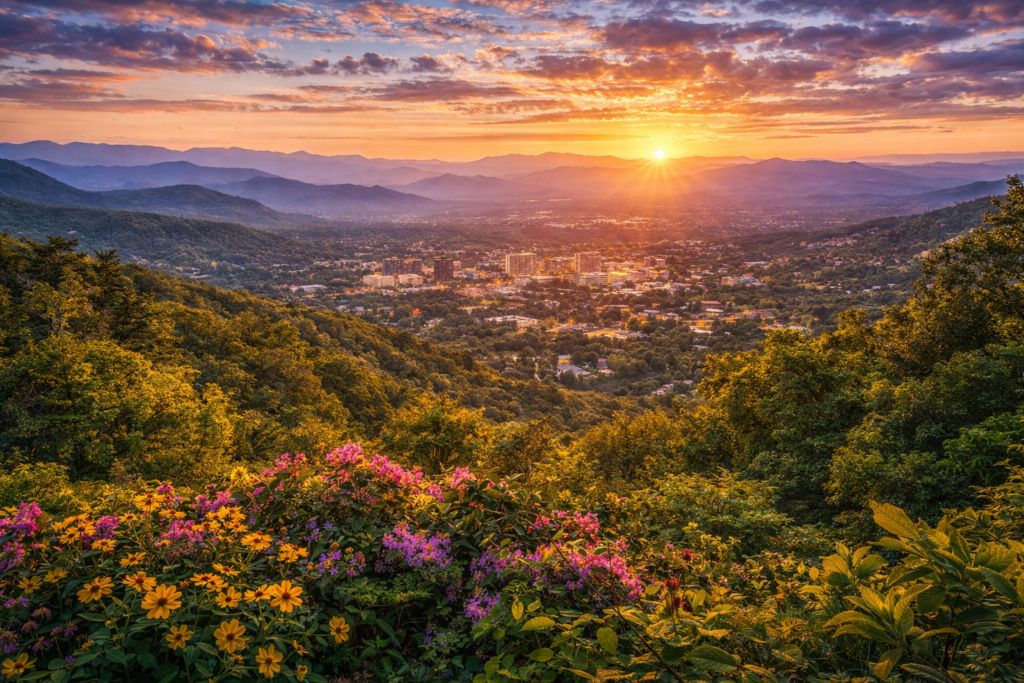
4. Asheville, North Carolina Situated in the Blue Ridge Mountains, Asheville combines art, culture, and nature for a well-rounded escape. Its nearby hiking trails, gentle rivers, and scenic drives allow for peaceful exploration. The local arts scene contributes to a sense of community, while the surrounding environment offers moments of solitude.
5. Tybee Island, Georgia For those seeking a quieter seaside experience, Tybee Island presents a charming alternative to bustling beach destinations. Visitors can enjoy the warm sands and gentle waves, along with a laid-back atmosphere that fosters relaxation. Strolling along its quiet streets or lounging on the beach can prompt deep reflection and rejuvenation.
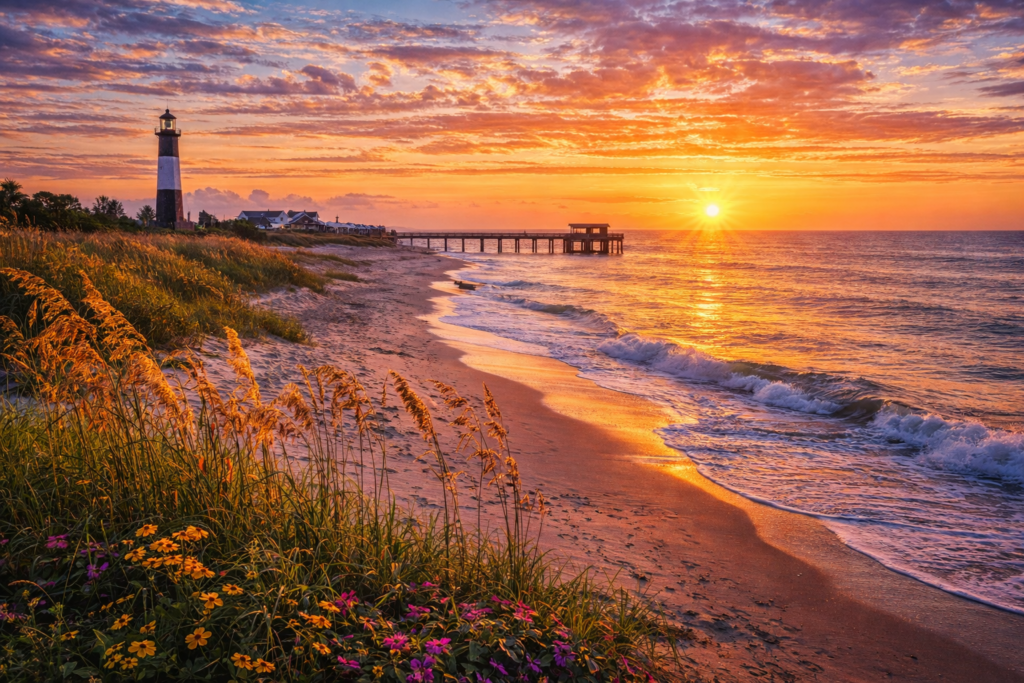
These captivating destinations promise to provide peace-seeking travelers with meaningful experiences that foster relaxation and restoration in the year 2026.
Planning the Perfect Quiet Escape Tips and Tricks
Embarking on a quiet escape requires careful planning to ensure a fulfilling and rejuvenating experience. The first step is to choose the right time for your getaway. Off-peak seasons are typically less crowded, allowing for a more tranquil atmosphere. Whether it’s the serene beauty of autumn or the calmness of winter, aligning your travel dates with quieter periods can significantly enhance your relaxation. Researching local events and festivals is also valuable to avoid busy times if you seek solitude.
Next, accommodations play a pivotal role in fostering tranquility. Opt for lodgings that emphasize peace, such as boutique hotels, eco-friendly lodges, or secluded cabins. These options often prioritize calming environments with sound-absorbing elements and striking natural views. Selecting a location nestled within nature or far from urban hustle promotes a sense of escape and allows you to unwind fully.
Equally important is planning activities that elevate your relaxation experience. Engaging in mindfulness practices such as yoga, meditation, or leisurely nature walks can facilitate deeper connections with your surroundings. Additionally, consider opportunities to explore recreational activities that are soothing rather than adrenaline-fueled, such as birdwatching, gardening, or gentle hikes. Each of these options promotes an immersive encounter with nature, inviting a peaceful state of mind.
Above all, the significance of disconnecting from technology cannot be overstated. Limiting screen time fosters mental clarity and creates space for engaging in live experiences. Consider setting specific times to check devices or even leaving them behind altogether. You can devote complete attention to your environment and enjoy genuine moments, enhancing your quiet escape.
The Future of Travel Embracing Quiet and Mindfulness
As the travel industry emerges from the shadows of the pandemic, a notable shift towards quieter and more mindful travel experiences is gaining momentum. Travelers increasingly prioritize serenity, seeking escapes that offer tranquility rather than the bustling tourist hotspots of the past. This change is reflected in the practices of travel operators and hospitality businesses, which are adapting to meet the growing demand for peaceful retreats that provide respite from the demands of modern life.
Hotels and resorts are reimagining their offerings by creating serene environments, promoting wellness programs, and integrating natural landscapes into their designs. Many establishments are expanding their wellness amenities, incorporating spa treatments, meditation sessions, and yoga classes that foster a sense of mindfulness. This evolution not only caters to the rising demand for rejuvenation and quiet but also aligns with broader trends towards sustainable travel. Conscious consumers are now more inclined to support eco-friendly initiatives, further shaping the direction of the travel industry.
Mindfulness tourism is on the rise, and it encompasses a wide range of activities aimed at enhancing mental well-being. Travelers are increasingly attracted to off-the-beaten-path locations where they can disconnect, reflect, and engage with nature. Operators now emphasize experiences such as guided forest walks, digital detox retreats, and mindfulness workshops that seek to guide individuals toward deeper self-awareness. This trend encourages a holistic approach to travel, where vacations are not merely escapades, but opportunities for personal growth and rejuvenation.
Ultimately, the notion of a “quiet escape” is likely to redefine how vacations are perceived in a post-pandemic world. As more people recognize the value of inner peace and mindfulness, the travel industry is poised to embrace this transformative movement, shaping future travel experiences that resonate with the evolving needs of society.