Introduction Understanding the Basics of Swing Sets
Swing sets have long been a staple in children’s play areas, promoting physical activity and imaginative play. These engaging structures can vary significantly in design and functionality, but they generally serve one principal purpose: to provide a fun and safe environment for children to play. Among the various types available, two predominant categories emerge: wall-mounted swing sets and traditional freestanding swing sets. Each type comes with its own unique set of features, aesthetics, and appeal to families.
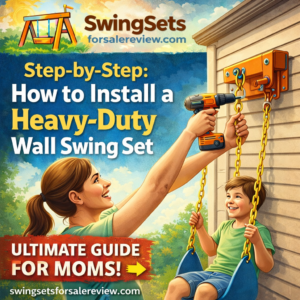
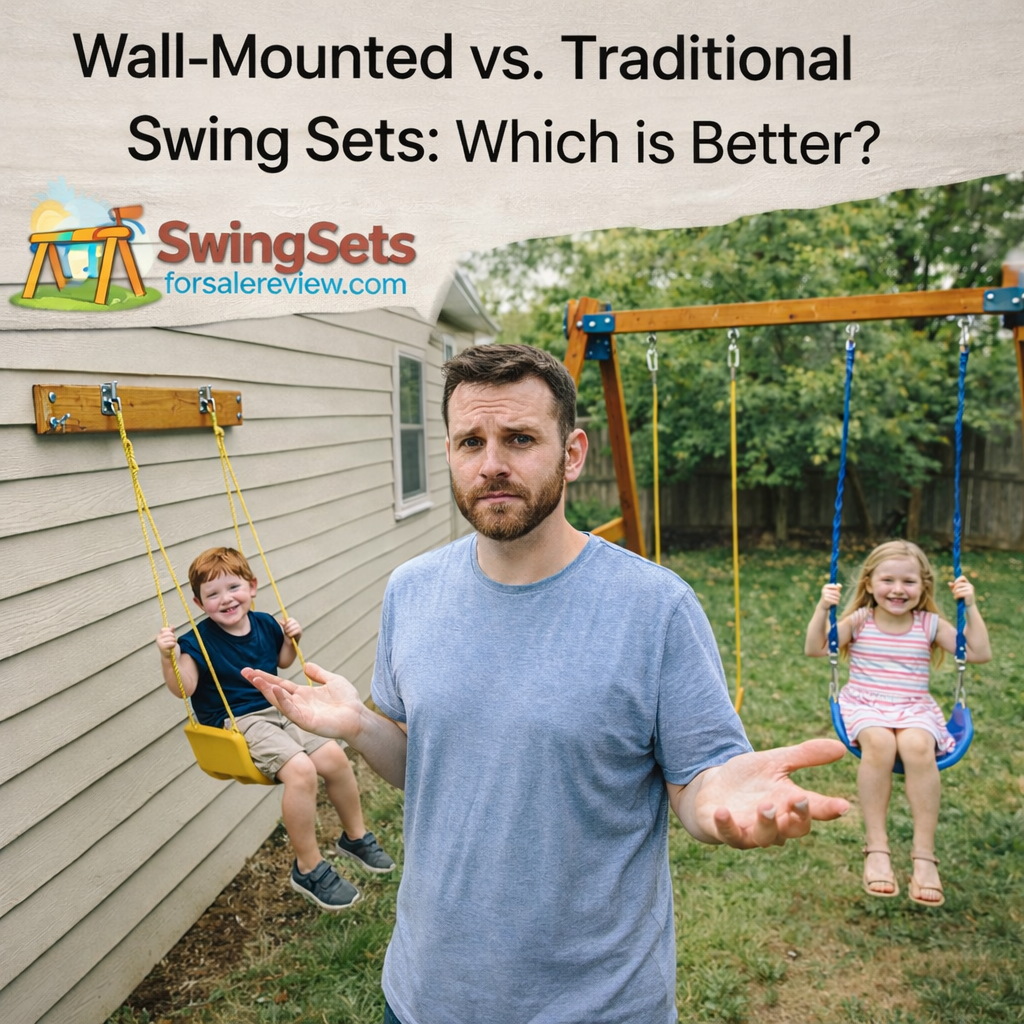
Wall-mounted swing sets are typically affixed to the exterior of a home, utilizing existing structures such as walls or fences to provide support. This type often appeals to urban families or those with limited yard space, as it can effectively transform a confined area into an enjoyable play zone. Wall-mounted sets usually feature a more compact design and are often safer for small spaces, allowing children to swing without the risk of straying too far from home.
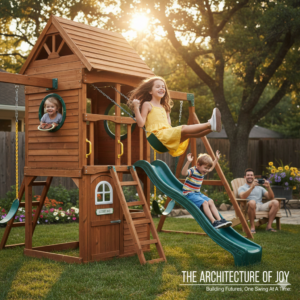
On the other hand, traditional swing sets are standalone structures typically constructed of wood or metal. They come with a wide variety of options including multiple swings, slides, and climbing features. This type of swing set is often favored by families with larger outdoor spaces, as it tends to encourage more active play and social interaction among children. Traditional swing sets can be customized to include various accessories and safety features, making them versatile choices for children of all ages.
As families consider which type of swing set will best suit their needs, they often weigh factors such as available space, budget, safety, and the overall lifestyle of their children. Each option has its distinct advantages and drawbacks, which will be explored further in subsequent sections of this blog post.
Comparative Analysis Features and Benefits

When considering playground equipment for children, the choice between wall-mounted and traditional swing sets involves evaluating various features and benefits. One primary factor is space requirements. Wall-mounted swing sets are ideal for smaller yards or patios, allowing families with limited outdoor areas to provide swinging opportunities without sacrificing too much space. Conversely, traditional swing sets generally require a larger footprint, making them suitable for homes with ample backyard space.
Safety is another crucial consideration. Wall-mounted options, typically installed securely to walls or fences, may offer an added sense of stability, reducing the risk of tipping. However, traditional swing sets are often designed with safety features such as high-quality anchoring and cushioned ground surfaces to mitigate falls. Parents should evaluate the specific safety requirements based on their children’s ages and anticipated use.
Ease of installation plays a significant role in this comparison. Wall-mounted models may require specific installation tools and skills, often necessitating professional help, while traditional sets come with clear guidance for DIY assembly. That said, once installed, maintenance needs differ as well. Wall-mounted swings generally require less upkeep because they are less exposed to the elements compared to traditional sets, which may need regular inspections for wear and tear.
Finally, durability is a key aspect. Wall-mounted swing sets are often built from robust materials that withstand daily use, while traditional options are also designed for longevity but may be more prone to environmental damage over time. Different family dynamics and children’s needs will dictate which option may excel for a particular household. For instance, families with young children may find wall-mounted swings beneficial for limited spaces, whereas larger families may prefer traditional sets for group play.
Safety Considerations Which Option is Safer?
When it comes to choosing playground equipment, safety is an essential concern for parents. Both wall-mounted swing sets and traditional swing sets come with their unique safety features and considerations that must be taken into account. Understanding these factors can greatly influence the decision-making process for families.
Traditional swing sets typically exhibit stability due to their anchored structures. However, they also pose risks associated with falling off or colliding with other children while swinging. To mitigate these risks, it is crucial to ensure that the swing set is installed on a flat surface, preferably with protective ground materials, such as grass or rubber mats, that can absorb impact.
On the other hand, wall-mounted swing sets are designed to be affixed securely to a wall, which theoretically introduces minimal risk regarding stability. They do, however, present concerns related to potential injuries caused by improper installation or inadequate space around the swings. A poorly mounted wall unit can lead to accidents when the set is used enthusiastically. To address this, experts recommend that wall-mounted swings require thorough installation checks to confirm that all components are secure and that there is sufficient clearance from nearby objects.
Furthermore, it is advisable for parents to supervise children at all times while they are playing on swings, regardless of the type. This not only includes monitoring them for unsafe behaviors, such as standing or twisting while swinging, but also reinforcing safe usage practices, like waiting for their turn. Following up-to-date safety guidelines and recommendations from organizations such as the American Society for Testing and Materials can provide additional assurance for parents.
Ultimately, when evaluating the safety of wall-mounted versus traditional swing sets, it is vital to consider proper installation, ongoing maintenance, and vigilant supervision as integral parts of ensuring a secure play environment for children.
Making the Right Choice Tips for Families
When it comes to selecting between wall-mounted and traditional swing sets, families must consider several factors to find the best fit for their needs. One of the primary steps is assessing the available outdoor space. Families should measure their yard to ensure that there is sufficient room for the swing set design they are interested in. For wall-mounted swing sets, it’s essential to identify suitable wall space that can support the structure safely.
Understanding children’s preferences is also crucial. Engaging children in the decision-making process can lead to a more satisfying result. Inquiry about their favorite types of swing sets or any specific features they might want can guide families in making the right choice. While some children may prefer the classic feel of a traditional swing set, others might be drawn to the modern look of a wall-mounted alternative.
Budget considerations play a pivotal role in the selection process. Traditional swing sets can vary significantly in price, depending on materials and complexity, while wall-mounted options typically require a lower initial investment but may incur additional costs for installation and hardware. Families should create a budget that encompasses not just the purchase price but also any potential accessories or safety equipment needed.
Moreover, contemplating long-term usage is another key factor. Families should evaluate how long they anticipate their children will utilize the swing set and consider options that can be adjusted as their children grow. Hybrid designs, which incorporate elements from both wall-mounted and traditional sets, can also be a viable alternative, providing flexibility and variations. Ultimately, weighing these points will assist families in making a decision that aligns with their specific circumstances.