
The Origins of the Swing Ride
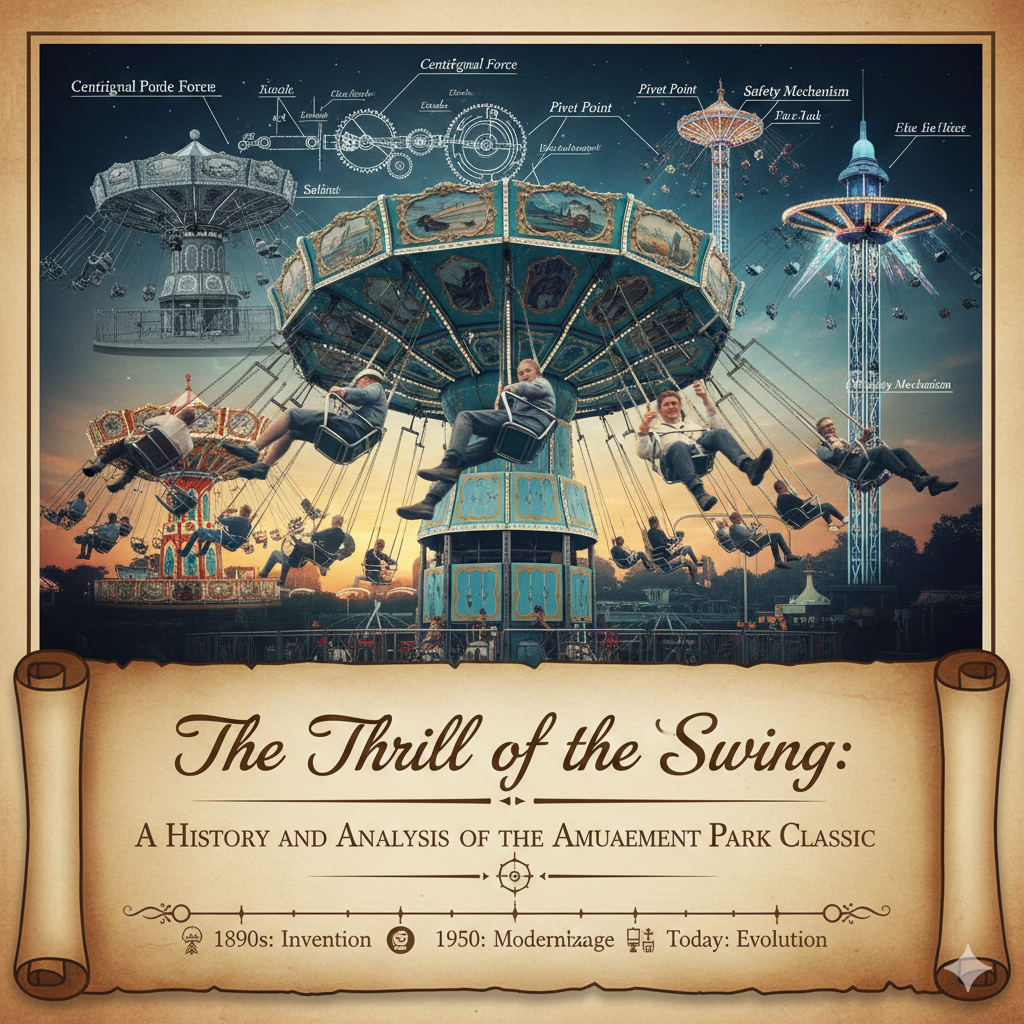
The history of swing rides dates back to ancient human civilizations, where the concept of swinging found its roots in various cultures. Early swinging devices can be traced to simple suspended seats, often crafted from natural materials such as wood and leather. These rudimentary forms of swinging offered not only recreational enjoyment but also gathered individuals for social interaction. In many societies, these early swings were common in public gatherings, reflecting the communal aspect of amusement.
As we move through history, the swing ride evolved significantly. In the Renaissance era, innovative designs began to emerge, incorporating mechanical elements that allowed for more dynamic experiences. Inventors of the time began experimenting with different swing ride mechanisms, leading to more complex contraptions that captured the thrill of flight. These developments were often showcased at fairs and festivals, establishing swinging as a notable amusement attraction.
The formal establishment of the modern swing ride occurred during the 19th century, coinciding with the rise of amusement parks. One of the landmark moments in the evolution of swing rides was the introduction of the “Flying Chair” ride, which became a sensation at various amusement venues. This new design allowed for multiple riders, enhancing both capacity and the level of excitement. The wave of industrialization further facilitated production, making these rides more accessible and popular across diverse demographics. Swing rides gained cultural significance, symbolizing freedom and joy, resonating with people of all ages.
Today, swing rides have transformed into intricate designs featuring advanced safety measures and technological innovations, yet they retain the core elements of their ancient counterparts. The progressive journey from simple swings to complex amusement park rides underscores the enduring allure swings have maintained throughout history, establishing them as a timeless classic in the world of entertainment.
The Mechanics of the Swing: How It Works
The swing ride, a classic amusement park attraction, is an interesting combination of engineering principles, materials science, physics, and safety design. At its core, the swing ride operates on fundamental concepts of rotational motion and centripetal force. Riders are typically seated in a series of swings suspended from a central axis. When the ride is activated, the platform rotates, causing the swings to trail outwards due to centrifugal force, creating the thrill familiar to many amusement park enthusiasts.
Key to the design of these rides is the choice of materials that ensure both durability and safety. Most modern swing rides are constructed using high-strength steel for the structural framework, while the swings themselves often utilize reinforced plastics or weather-resistant materials for comfort and safety. This ensures that the ride can withstand the various stresses experienced during operation, particularly in high-speed and high-capacity scenarios. Furthermore, meticulous attention is paid to the integration of safety features such as harness systems, which are critical in preventing accidental falls and enhancing the overall safety of the experience.
Advancements in technology have significantly improved the performance of swing rides over the years. Modern rides often incorporate computerized systems for precise control over speed and motion, ensuring a smooth and enjoyable experience for riders. Moreover, innovations in design have led to the introduction of dynamic swinging movements, allowing for variations in the ride experience depending on real-time rider dynamics. These enhancements not only refine the swinging motion but also increase safety through improved monitoring of structural integrity and rider positioning. Thus, the mechanics of swing rides continue to evolve, ensuring they remain popular attractions while prioritizing the safety and enjoyment of all riders.
The Psychological Appeal of Swing Rides
Swing rides have captivated amusement park visitors for generations, largely due to their unique psychological allure. At the core of their appeal is the thrilling sensation of flight, which taps into the human instinct for excitement and adventure. When riders experience the sensation of soaring through the air, their bodies respond to the stimulus by releasing adrenaline, heightening their sense of alertness and pleasure. This biological reaction to perceived danger intertwines with the elements of fear and excitement, creating an exhilarating experience that many find hard to resist.
The balance between fear and enjoyment plays a significant role in the psychological draw of swing rides. For many individuals, the anticipation of the ride instills a sense of tension, while the moment the swing takes off provides a rush of liberation. This push-pull dynamic can evoke feelings of empowerment and accomplishment, particularly for those who might usually shy away from adventurous activities. Research in thrill-seeking behavior indicates that engaging in such experiences can enhance mood and promote psychological resilience, making swing rides more than just mere forms of entertainment.
Moreover, the social facets of swing rides contribute significantly to their psychological appeal. Sharing the experience with friends or family amplifies the enjoyment, as collective laughter and screams create bonds that nourish social connections. Many individuals associate swing rides with nostalgia, particularly from childhood. These shared moments rekindle fond memories, reinforcing the emotional satisfaction tied to the experience. Whether it’s a parent sharing a ride with a child or friends reliving carefree days, these interactions reinforce feelings of joy and connection across age groups.
In essence, swing rides embody a rich tapestry of psychological influences. They engage not only the thrill-seeking aspects of human nature but also the emotional connections that individuals form during shared experiences. With every swing, riders delve into a realm of adventure, nostalgia, and social bonding, capturing the timeless essence of amusement parks and the joys they provide.
Swing Rides Around the World: A Comparative Analysis
Swing rides, a staple of amusement parks globally, present an exhilarating experience that varies significantly depending on cultural context and design innovation. From Europe to Asia and beyond, swing rides have evolved to offer unique interpretations of this thrilling classic. For instance, in Germany, the “Swinging Ship,” known as the “Kapitänsflug,” embodies maritime themes with riders seated in a ship-like swing that mimics the motion of sailing. The aesthetic appeal of this ride, combined with a medieval ambiance, enhances the overall experience for participants.
In contrast, California’s “Sky Swing” at Knott’s Berry Farm boasts a more modern design, featuring expansive seats that rise high above the park, providing breathtaking views of the surroundings. Riders report feelings of both exhilaration and tranquility as they sway back and forth against a backdrop of picturesque landscapes. Meanwhile, Singapore’s “Flying Ace” offers a dynamic spin with its captivating lights and vibrant colors, deeply resonating with the park’s cosmopolitan theme. This fusion of culture and design exemplifies how regional differences shape the enjoyment of swing rides.
Opinions from avid riders also reveal a fascinating diversity in preferences. Enthusiasts from the United States might favor the speed and excitement of rides like the “WindSeeker” at Cedar Point, which features soaring heights paired with rapid movement—ideal for adrenaline seekers. Conversely, riders in Japan frequently highlight cultural elements, such as the soothing music and themed decorations found in the “Wonder Swing” at Fuji-Q Highland, which prioritize a harmonized experience over sheer thrills.
This comparative analysis of swing rides underlines the profound impact of geography and culture on design and rider experience. Whether thrilling or tranquil, swing rides continue to captivate audiences across continents, affirming their enduring appeal in the realm of amusement parks.